


Solar power systems in NZ
Residential
solar technology
ZEN Energy provides reliable, customised solar systems to suit every household across NZ. We are proud to offer excellent, world-class products to suit your power needs.

Solar
panels
World-Leading solar panel providers
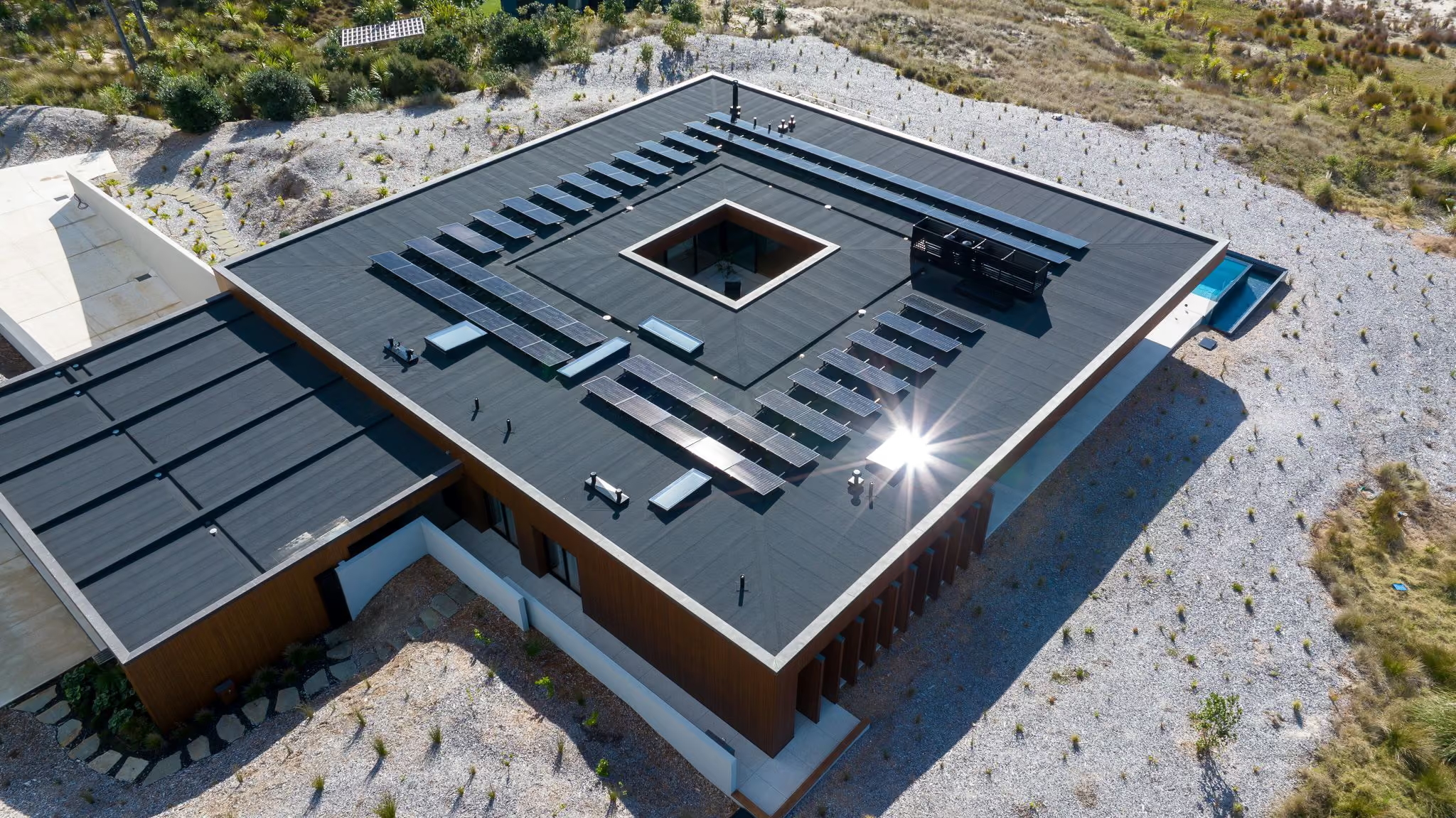
ZEN Energy are proud to have worked with LONGi solar panels for over 12 years. We offer 3 different panel types which have:
- A 30-year warranty
- High-efficiency and maximum power output
- Technology built to withstand New Zealand weather climate
- A range of formats to suit aesthetic and performance requirements
Technology partners:



Solar Batteries
Store more of the power your home generates
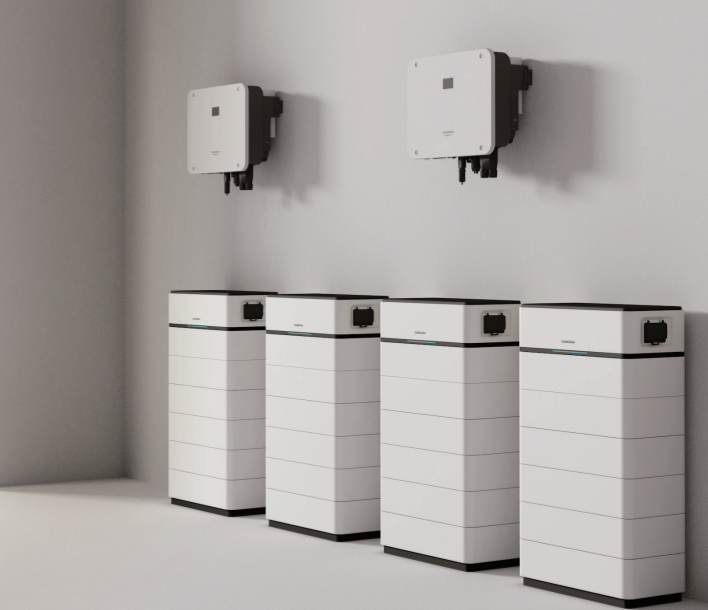
ZEN partners with battery and inverter suppliers who excel in solar technology. Sungrow and Pylontech offer:
- Up to 15 year warranty
- Robust backup and resilience
- Established, global leading battery manufacturers.
- Modularity and the ability to scale to suit homes of any size.
Technology partners:



Featured battery technology
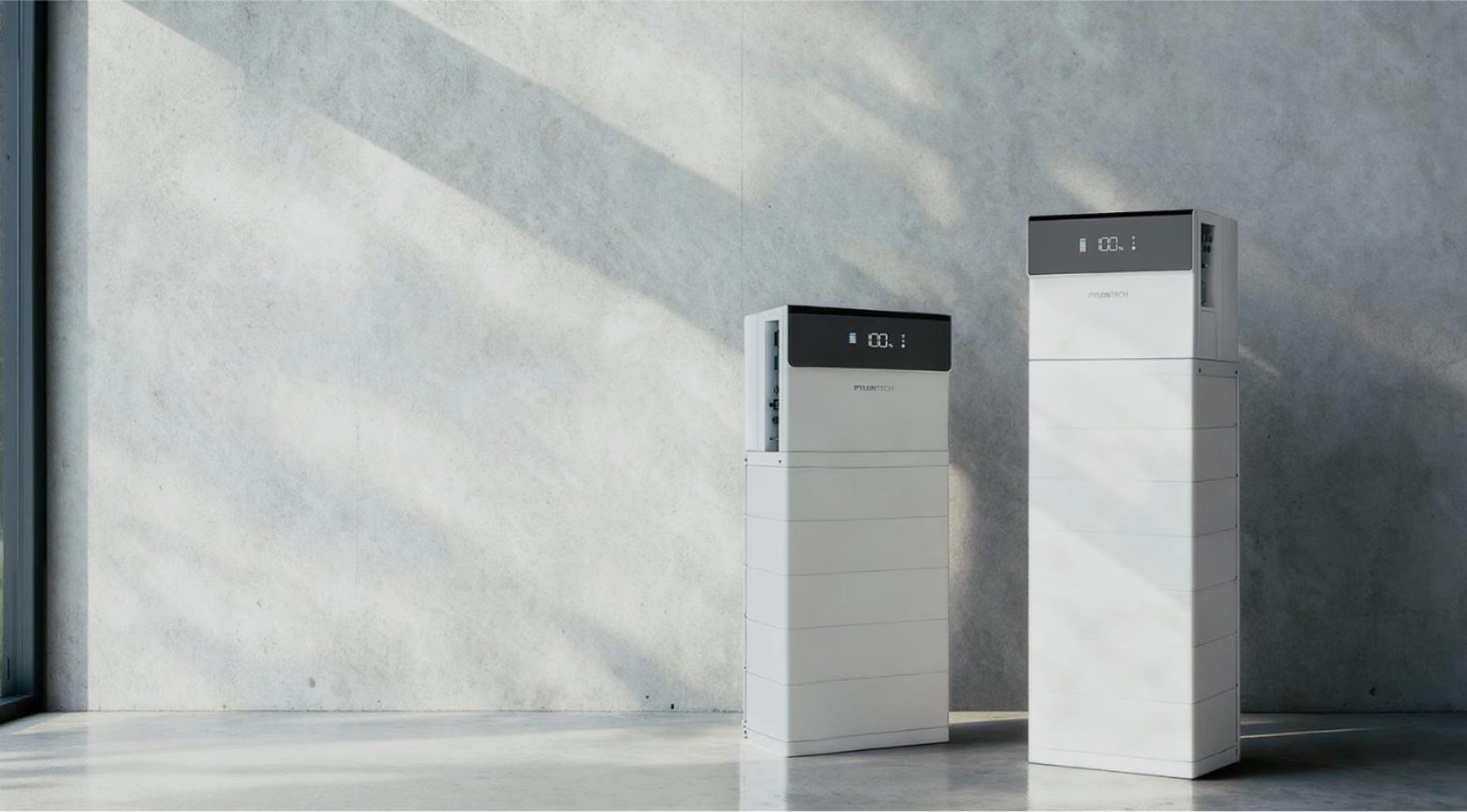
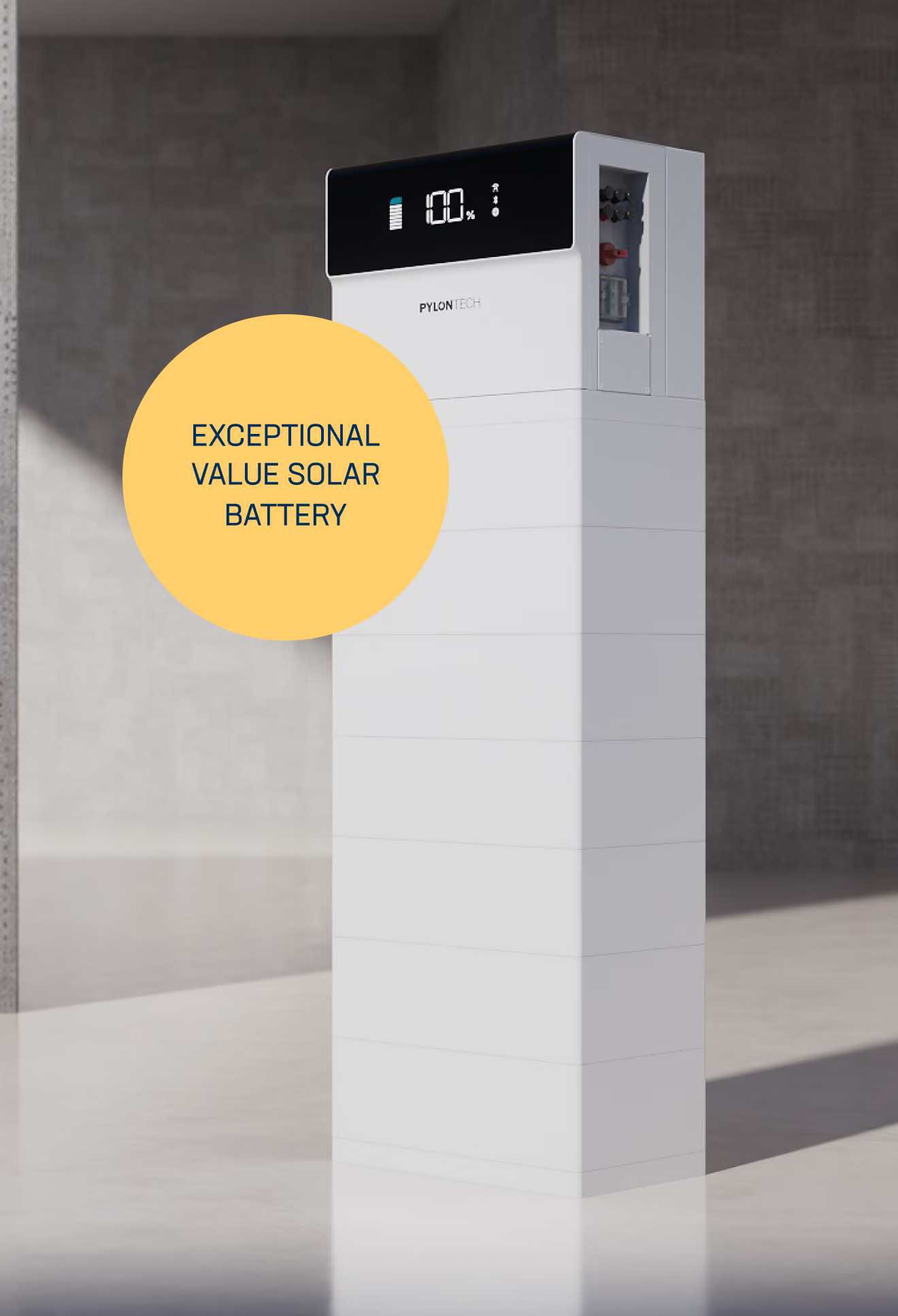
PYLONTECH FORCE H3X
All-in-one battery power, built to last.

Clear insights. Smarter energy.
Home Energy Monitoring

See where your power goes
Understand how much electricity your solar system generates and how your home uses it. Energy monitoring gives you a clear picture of production and consumption, helping you spot patterns, reduce unnecessary power use and make more of the solar energy you generate.
- Real-time visibility of solar generation and energy use
- Easy access through app or online dashboard
- Historical data to track patterns and performance
- Practical insights to help you use energy more efficiently
We’ll help you choose the right monitoring solution for your home and solar system.

Ready to find the right system for your property?
Share a few details to get started. One of our solar specialists will be in touch to understand your property, power use and goals, and help recommend a system designed around what you actually need.
Frequently asked questions
What is a grid-connected solar power system?
Solar panels are installed on your roof and produce electricity in DC current. This electricity is converted to AC current through your solar inverter and then delivered via your house’s switchboard, to your appliances, such as your television, hot water cylinder, fridge and heat pump. Any excess electricity generated will be sent back to the grid, for which you will get a credit on your electricity bill if your electricity retailer has a buyback offer.
How long does a solar system installation take?
The length of installation depends on the size of the solar power system, whether it includes batteries and the roof condition, but will typically take anywhere between 1 day for a grid-tied installation and 2 days for a more advanced battery based system.
Are solar panels effective in winter?
They are effective during the winter months; however you will notice a considerable drop on the overall solar generated compared to the summer months. This is normal due to the height of the sun in the sky and there being less sunlight hours over the winter months.
Is my house suitable for a solar power system?
If your roof is in good condition, and gets a lot of sun, it is probably a good candidate for solar. We do not recommend installing solar on old roofs. The panels are expected to last for over 25 years so it is not recommended to install them on a roof that may need replacing during the life of the system.
Are solar power systems good for the environment?
Solar power is the most abundant renewable energy resource on Earth. Solar power systems do not emit any CO2 and their costs have been consistently reducing. In contrast, fossil fuels are being depleted, with unpredictable prices that are typically trending upwards. Additionally, they are not renewable. Solar power is the clear answer for the future of energy as it localises energy generation at the point of consumption and passes the power to choose back to the individual home owner. Although many large entities are not yet committed to solar power, a household can proactively choose to benefit from having a solar power system on its roof.
What is the buyback rate?
Most power companies currently pay at 8c/kWh for electricity exported to the grid. You will need to contact your power company to confirm their buyback rate.
How much will I save?
Whilst there are costs to you in purchasing and owning the solar system, solar power will help you to reduce your monthly electricity spend by offsetting the energy usage in your house. How much your monthly electricity bill will reduce by will depend on a number of factors, including the size of the system that you install, how much electricity your system generates, and how much electricity you use during the day.
What size are the solar panels?
The size of the system is often determined by the available roof space of the property and size of the system you require. As a guide, most panels are 992mm wide by 1640mm high in size. Approximately 8 m2 of roof space is required per 1 kW of solar panels.
How much maintenance do solar panels require?
Solar photovoltaic panels require little maintenance. Your panels can build up dust and other material over time. Solar panel cleaning is not that different from cleaning your windshield. This can be done with water and a soft brush.
Will solar panels operate if we experience a powercut?
Yes the solar panels will still produce power however the solar inverter requires you to be connected to the grid for the inverter to operate and provide power to your home. This is a safety mechanism to protect appliances at your property for the safety of network maintenance personnel.
Which direction should my solar panels face?
Solar panels that face north get the maximum amount of sunlight during daylight hours to generate electricity. Placing panels on the east or west-facing roof will still produce a substantial amount of power. It is not recommended that you install panels with a southerly aspect.
What if my property is 3-phase?
Three phase properties may require a 3-phase solar system. With a three phase solar system there may be instances when you will import energy on one phase while exporting energy on another phase. This is because all three phases operate independently of one another. You may want to ask your installer to check the loading on each phase as part of the installation process.