
.png)
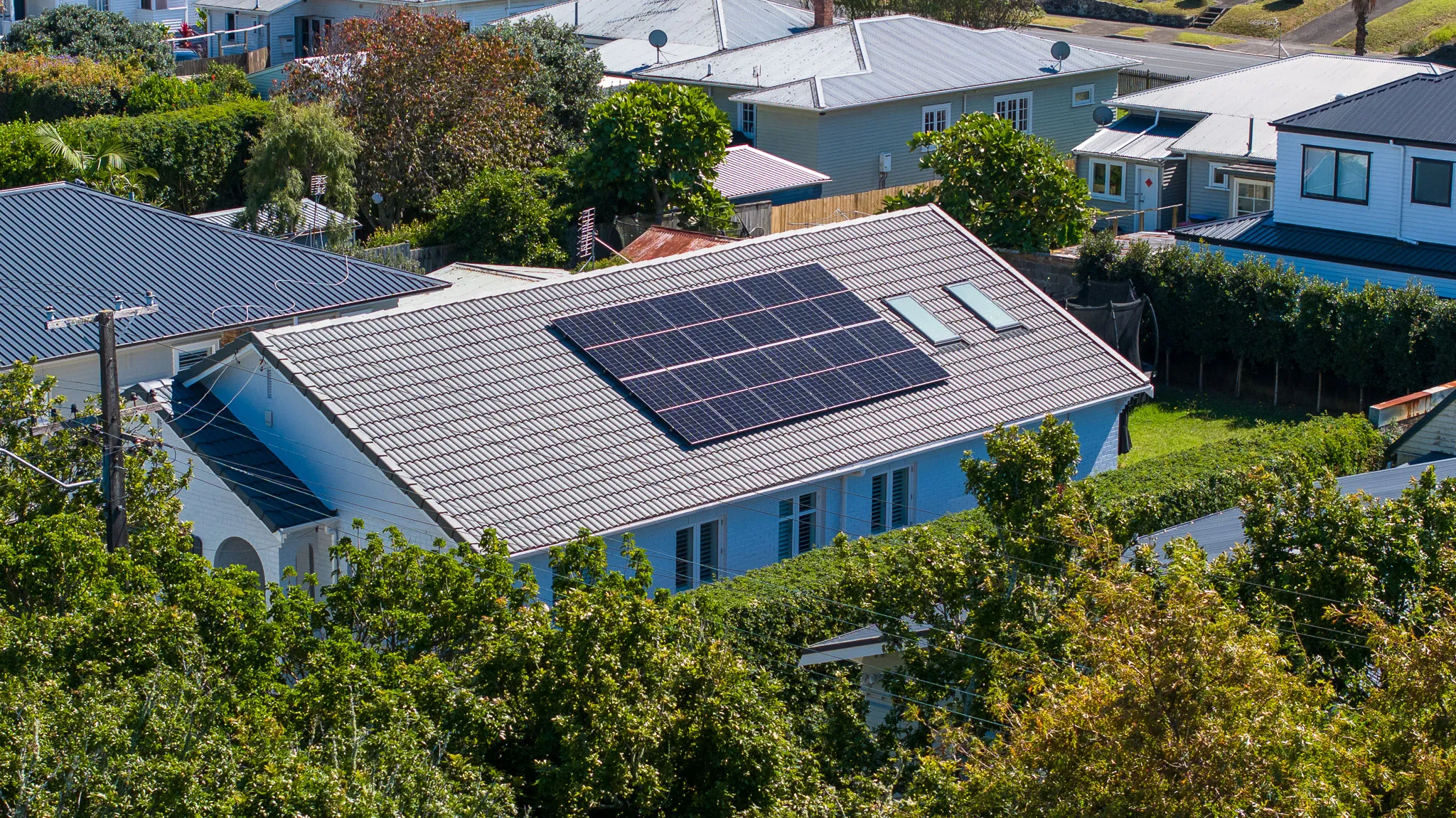
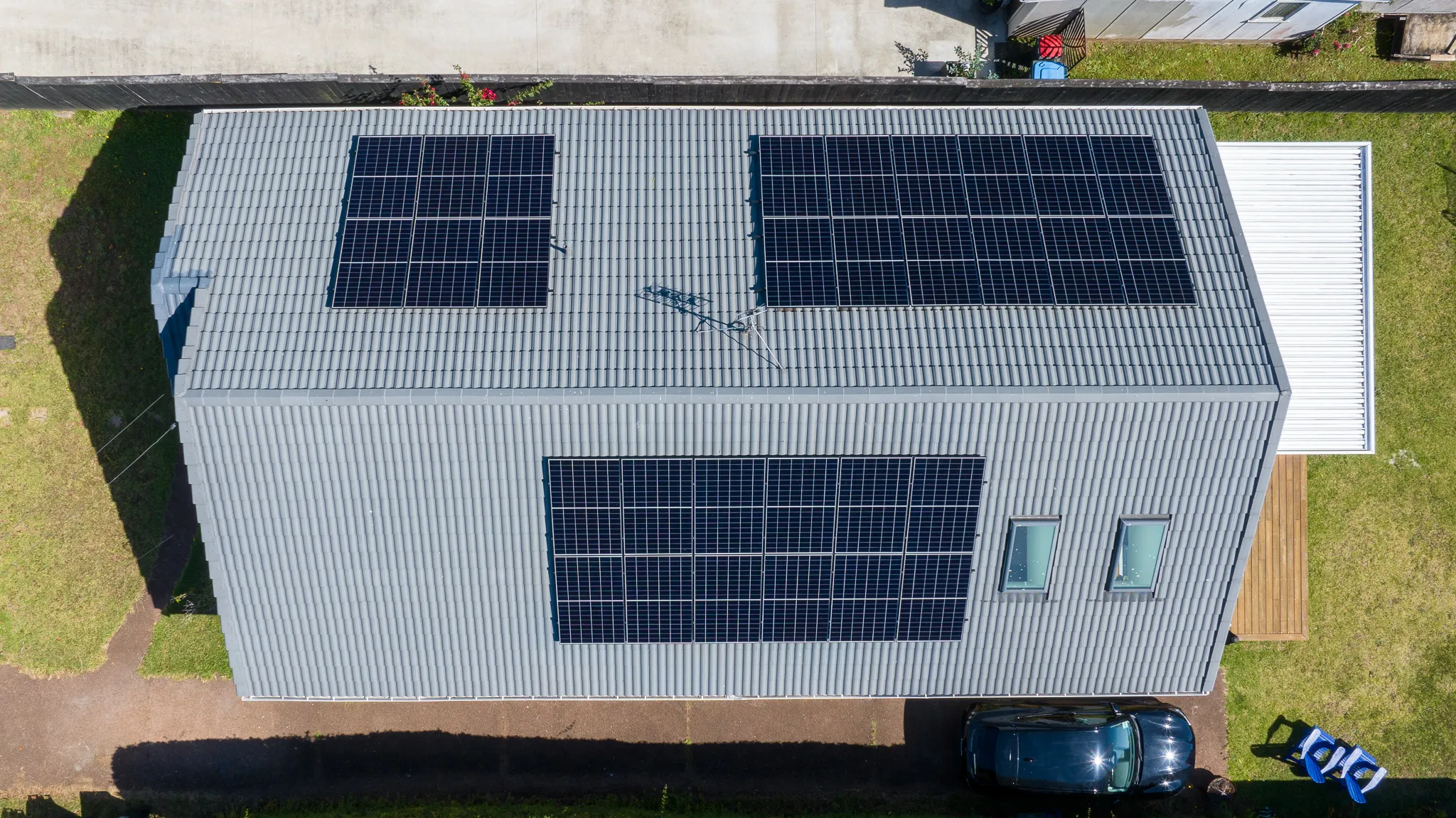
System size: 14.25 kW | Total panels: 30 LONGi 475W | 3 Pylontech Force H3X batteries
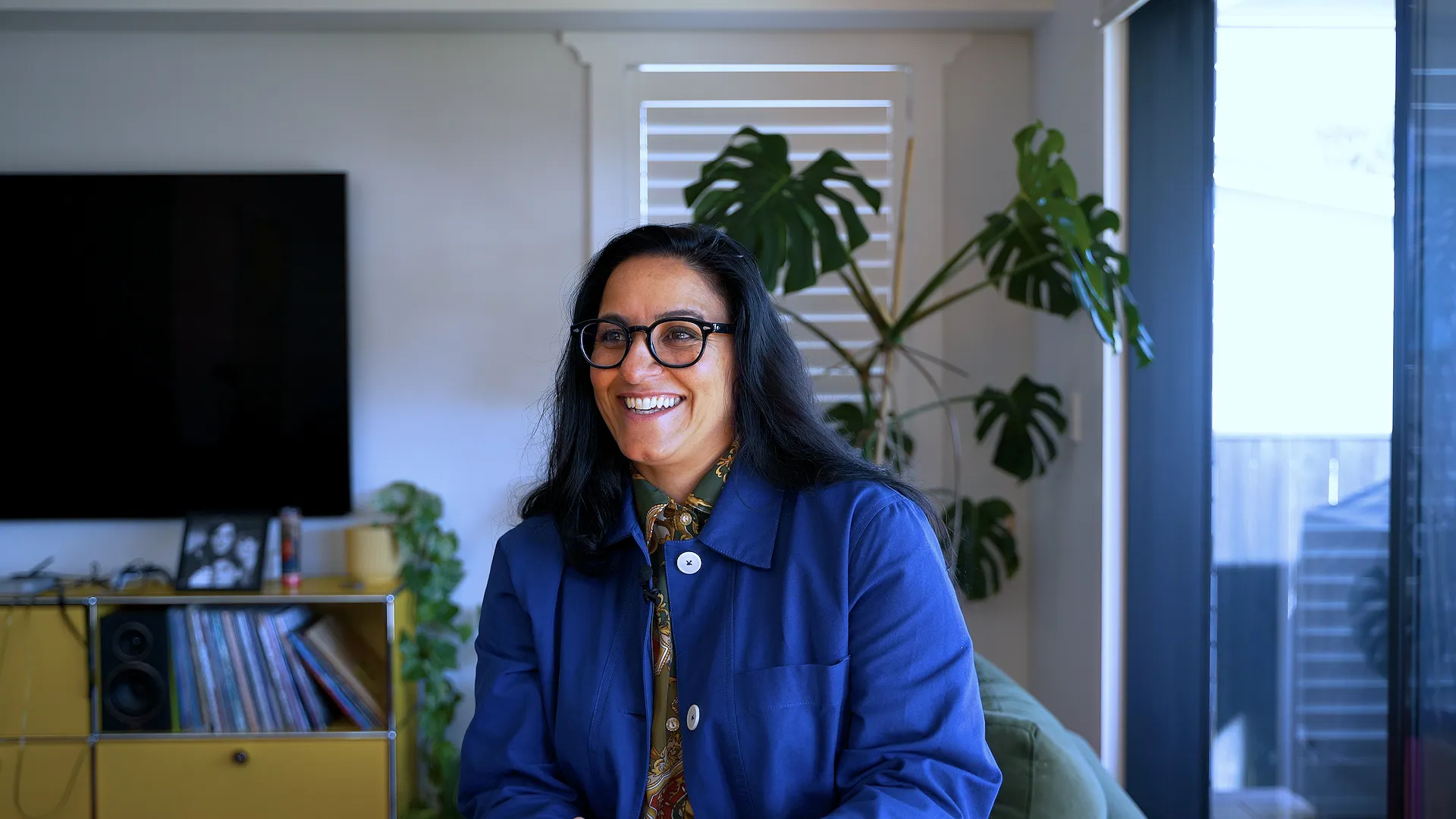
You may know Madeleine Sami as one of New Zealand's most acclaimed actresses, directors, comedians, and writers. When she's not on set, she's at home in Auckland, a fully renovated 1925 bungalow with a deck that, as she puts it, gets "pretty brutal" sun. Perfect for solar.
When Madeleine saw that solar-plus-battery storage had tipped into making genuine financial sense, the decision was easy.
Like many New Zealanders, Madeleine's journey started with her electricity bill.
"My bill was starting to go through the roof. We're a relatively small household, but it felt like it was getting more expensive to do the basic things, like put the heater and oven on. I figured I could be paying off solar as opposed to paying empty money to power companies."
She's not alone. Average residential electricity prices now sit around 37 cents per kWh, more than double what most Kiwis were paying fifteen years ago, with some regions seeing rises of over 15% in a single year.
Madeleine had been thinking about solar since her renovation. Cost and complexity gave her pause. Then last year, the numbers clicked into place.
Solar panels get the headlines. But the battery is where the real magic happens, and it's the part of Madeleine's system she's most excited about.
Here's the problem without one: solar generates power during daylight hours, but any surplus that isn't used gets exported back to the grid, typically at a buy-back rate of just 8–17 cents per kWh. So energy is being sold cheap and bought back expensive. The numbers never quite sang.
That's changed. Battery prices have dropped as global manufacturing has scaled. Combined with rising electricity prices and smarter monitoring technology, the return on battery storage is now compelling.
"When I talked it all through with ZEN, batteries were going to be the best thing for powering my house and my family."
With a battery, you capture the midday solar surplus and use it when electricity is most valuable, overnight and during the highest demand for power. Madeleine's goal was simple: "I just want to be able to power my house overnight." With three Pylontech H3X battery units, she can.
The results have been immediate:
95% reduction on her first power bill.
And there's a bonus for EV owners: rather than exporting surplus solar at a low rate, Madeleine diverts it straight to her car during peak solar hours, replacing expensive petrol with free sunshine. "It's not taking up any of the battery power", exactly how a well-sized solar-plus-battery system should work.
Further to this, the monitoring app has given Madeleine visibility on her batteries and her system’s performance.
"I'm obsessed with looking at the app and seeing what time of the day it's charging. I'm nerding out about how the whole system works. I can see that solar's taken the bill down. I'm just paying for internet at the moment!"
There's more to this than personal finances. New Zealand's grid relies heavily on hydroelectricity, which makes it vulnerable when lake levels drop, wholesale prices spike, and retail bills follow. A home battery provides a real buffer against that volatility.
It also offers practical resilience. In Auckland, severe weather events are no longer rare. A solar-plus-battery system can keep essential appliances running through grid outages, something panels alone cannot do.
New Zealand has a target of 100% renewable electricity by 2030. Tens of thousands of households making the same calculation as Madeleine is how that gets achieved.
"We're all about trying to make the world a better place and look after our environment."
Madeleine's advice if you're considering the switch
Madeleine first came across ZEN Energy through SEANZ, the independent solar industry body, after hosting their awards event, where ZEN won Best Medium Solar Company in New Zealand.
"Go to the SEANZ website first. Anyone they certify is going to know what they're doing. Be wary of hard selling. Find a solar partner that communicates well and doesn't leave anything uncovered, because it's new to us all."
And then? Take the plunge.
"The way power is going in New Zealand, if you have the means to get into the solar game, do it."