Overview
A few years ago, a home battery was something most Kiwi households saw as a nice-to-have - a premium add-on for early adopters and off-grid properties. In 2026, that picture has changed. Rising power prices, a wide gap between what retailers charge for electricity and what they pay for your exported solar, the rollout of time-of-use pricing and a run of severe weather events have all made storage a far more practical part of a home solar system.
This guide explains why solar batteries make sense in the New Zealand market today - and when they might not. From how batteries work and how they change the value of your solar, to resilience, sizing, costs and common questions, we cover what you need to make an informed, confident decision about adding storage to your home.
In this article we will cover:
- What a solar battery is and what it actually does
- The buy-back gap: why the power you keep is worth more than the power you sell
- Time-of-use pricing and the evening peak
- Resilience during outages and extreme weather
- How battery technology and costs have changed
- Whether a battery is right for your home
- How to size a battery system
- Frequently asked questions
What is a solar battery - and what does it actually do?
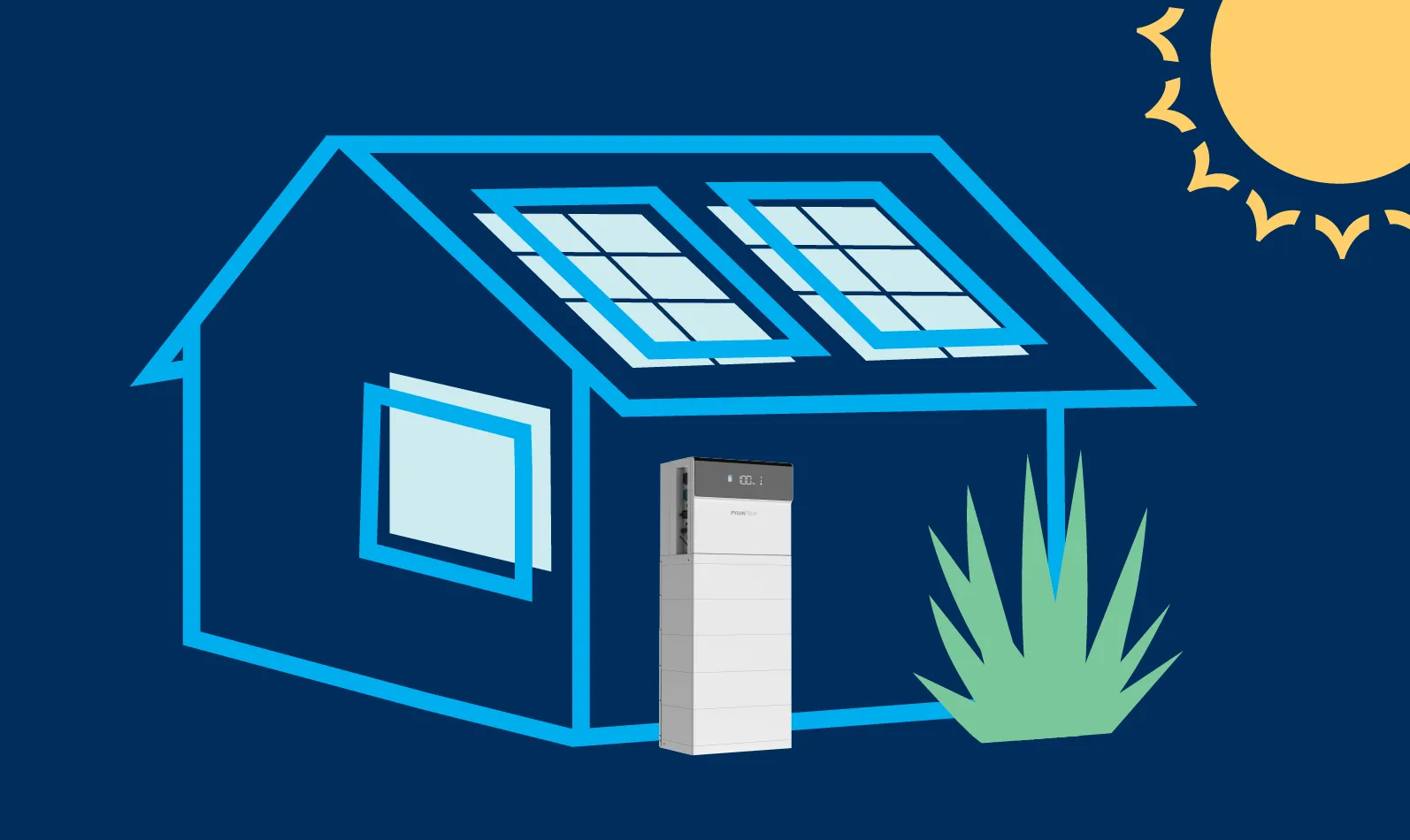
A solar battery stores the electricity your panels generate so you can use it later. In a typical grid-connected home, your panels produce the most power in the middle of the day, exactly when many households are out at work or school. Without storage, much of that energy is exported for a modest buy-back rate. With a battery, it can be held on site and used in the evening, overnight or during a power cut.
How a solar battery works (step-by-step)
- During the day, your panels power your home first.
- Any surplus charges your battery rather than being exported straight away.
- Once the battery is full, remaining surplus is exported to the grid for a buy-back credit.
- In the evening and overnight, the battery discharges to power your home - reducing what you buy from the grid at higher prices.
- If the grid goes down, a system with backup capability can keep essential circuits running from the battery and, where designed for it, continue recharging from the sun.
The buy-back gap: why keeping your solar beats selling it
The single biggest reason batteries make sense in New Zealand is the gap between what you pay for power and what you're paid for exporting it. In 2026, most solar homes receive roughly 8c to 17c per kWh for exported power (MySolarQuotes), while retail prices sit around 28c to 38c per kWh across major retailers (Voltflow) - and higher in some regions, with parts of the country paying over 50c per kWh (MySolarQuotes).
In simple terms: every unit of solar you store and use yourself is typically worth two to four times more than a unit you sell back to the grid.
Typical range (2026)
What you pay to buy power from the grid
~28c – 38c per kWh (higher in some regions)
What you're paid to export solar
~8c – 17c per kWh
Value of each stored kWh used at home instead of exported
~11c – 30c per kWh more
Ranges are indicative only and vary by retailer, plan, region and GST treatment. Check your own bill and plan for your actual rates.
What this looks like in practice
Imagine a home whose battery stores 8 kWh of daytime surplus solar and uses it each evening instead of exporting it. If that household exports at 12c and buys at 35c per kWh, each stored kWh is worth around 23c more. Across a year, that's roughly 8 kWh × 23c × 365 days ≈ $670 of extra value - before any time-of-use, peak export or backup benefits are counted.
This is an illustrative estimate, not a guarantee. Actual results depend on your usage pattern, system size, seasonal generation, battery performance and your retailer's rates.
The more you export, the more a battery can help
Households that are out during the day tend to export a large share of their solar. A battery turns that midday surplus into evening power - lifting self-consumption (the share of your solar you use yourself) and making each panel on your roof work harder for you.
Time-of-use pricing and the evening peak
New Zealand's electricity market is shifting towards pricing that reflects when you use power - and that plays directly to a battery's strengths. The Electricity Authority has confirmed rules requiring large retailers (those with 5% or more market share) to offer a plan with cheaper off-peak rates, with time-of-use plans expected to be available to most New Zealanders by 1 July 2026 (Electricity Authority).
Peak periods are typically weekday mornings (around 7–10am) and evenings (around 5–9pm), when households are getting ready, cooking dinner and running heaters (Electricity Authority). Those are exactly the hours when rooftop solar is producing little or nothing.
A battery helps you get the most out of time-of-use pricing by:
- Covering the evening peak with stored solar instead of peak-priced grid power
- Charging from cheap off-peak power in winter, when solar alone may not fill the battery, then using it at peak times
- Taking advantage of peak export rates - some retailers now pay noticeably more for power exported during peak windows
Peak export rebates: a new reason to store
The Authority has also confirmed changes to reward households that supply power to the network at the times it's most needed, with plans offering fair rates for peak-time exports available by 1 July 2026 (Electricity Authority). The Authority itself notes that solar without a battery is unlikely to benefit, because panels produce little during morning and evening peaks - batteries are what allow you to store midday solar and supply it at peak times.
The value of these peak rebates will vary by lines company and retailer, and for many households it will be a modest top-up rather than a headline saving. But the direction of travel is clear: New Zealand's market is starting to reward flexible, stored energy - and a battery is what makes your solar flexible.
Resilience: keeping the lights on when the grid goes down
For many Kiwi households, the case for a battery isn't just financial - it's about peace of mind. New Zealand's weather is becoming harder to predict, and long outages are no longer rare.
At the height of Cyclone Gabrielle in February 2023, roughly 225,000 people were without electricity and were told restoration could take days or weeks (Newsroom). In Northland, many houses and farms went around 10 days without power (The Bay Chronicle). Smaller storm outages, lines faults and planned maintenance shutdowns affect homes across the country every year.
A battery with backup capability can help you:
- Keep essentials running - lights, fridges and freezers, internet, phone charging and medical equipment
- Keep water flowing - critical for rural homes reliant on bore or pressure pumps
- Work from home through an outage with Wi-Fi and devices powered
- Recharge from the sun during a multi-day outage, where the system is designed to do so
Not every battery provides backup
This is one of the most common misconceptions we hear. A grid-tied battery won't automatically power your home in an outage - it needs a backup-capable hybrid inverter and dedicated backup circuits designed and installed by a licensed electrician. Most backup systems are set up to run selected essential circuits rather than the whole house, so it pays to decide early what you'd want kept on. Our guide to back-up circuits explains what's typically included.
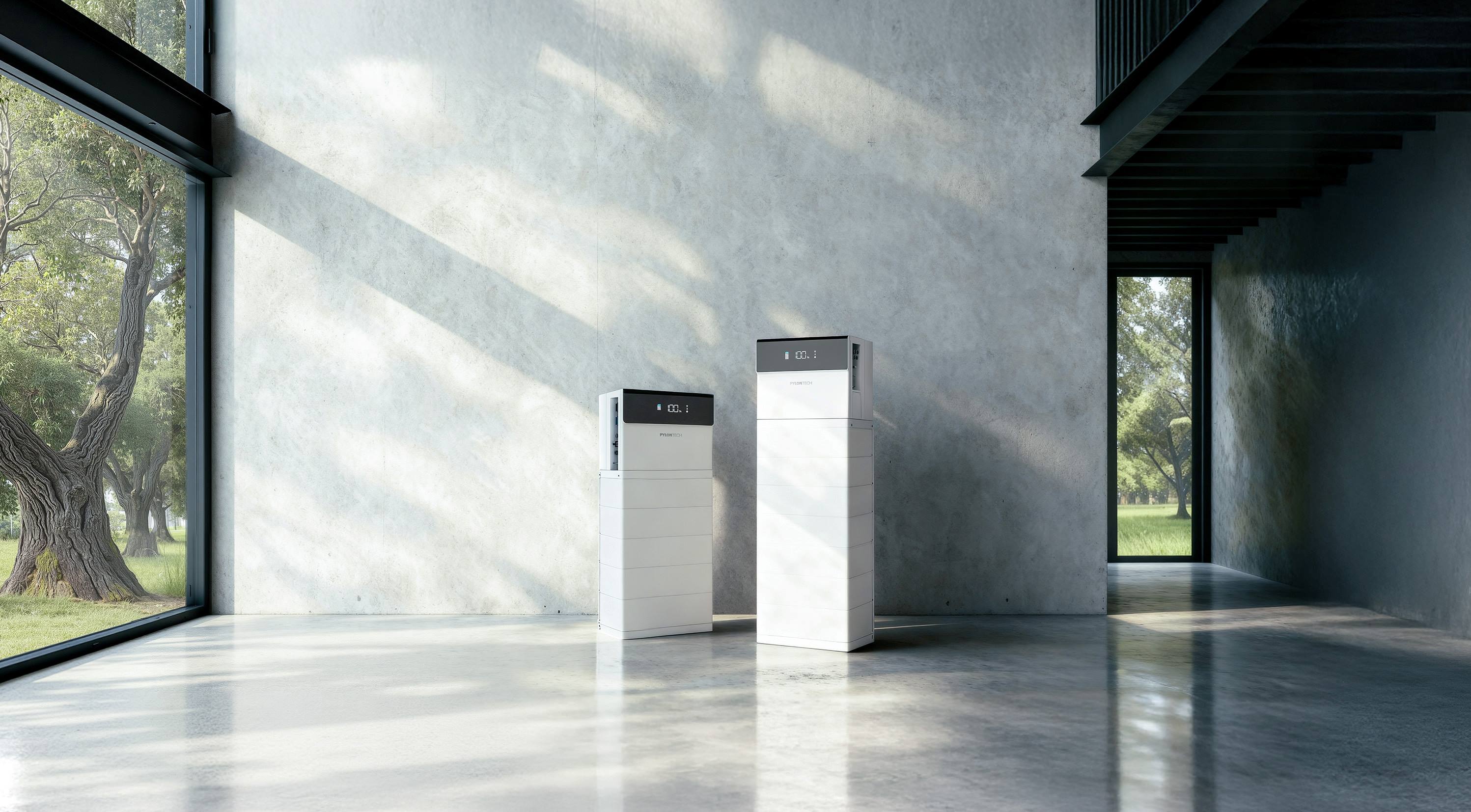
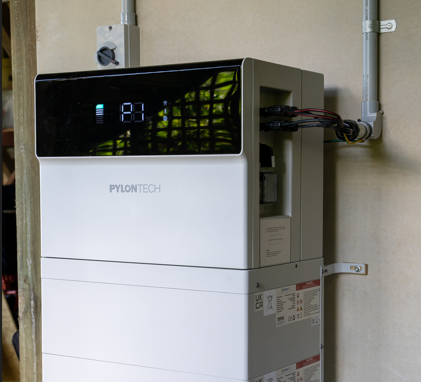
Staying powered through an outage - a backup-ready battery keeps essential circuits running when the grid goes down.
Battery technology and costs: what's changed
Home batteries have come a long way in the past decade. Today's systems are safer, longer-lasting and smarter than the early models many people still picture.
Lithium iron phosphate (LFP) is now the standard
Most modern home batteries use lithium iron phosphate (LFP) chemistry. Compared with older battery types, LFP offers:
- High usable capacity – most of the battery's rated energy can be used day to day
- Long cycle life – designed for daily charging and discharging over many years
- Strong thermal stability – a key safety advantage for batteries installed in garages and homes
- Low maintenance – no topping up or regular manual servicing
Warranties and lifespan
ZEN Energy's battery backup solutions come with industry-standard warranties, typically covering 10–15 years for the battery and inverter (ZEN Energy). Exact terms, including throughput and end-of-warranty capacity, vary by manufacturer, so it's worth reading the warranty for the specific product you're quoted.
What influences the cost of a battery?
System size and usage
- Your daily and seasonal energy use
- How much surplus solar you currently export
- Whether you want backup for essentials or more of the home
Components and compatibility
- Battery brand, capacity and warranty
- Whether your existing inverter is battery-compatible or needs replacing
- Switchboard upgrades and backup circuit wiring
Your goals
- Maximising bill savings vs maximising resilience
- EV charging, heat pumps or future electrification plans
- Room to expand storage later
Financing: green home loans and finance options can help spread the upfront cost - see our green loans and finance page for current options.
Is a solar battery right for you?
A battery makes strong sense for many New Zealand homes, but it works best when your energy habits, property and goals line up with the outcomes of a battery.
Here are five key questions to ask yourself:
1. Am I planning to export a lot of my solar? If your monitoring shows a large share of your generation heading to the grid - common for households not at home during the day - a battery can turn that low-value export into higher-value evening power.
2. When do we use the most power? Homes with heavy evening and early-morning use (cooking, heating, hot water, EV charging) get the most from stored solar.
3. How much do outages affect us? Rural properties, homes on bore water, people working from home and anyone relying on medical equipment often value backup power highly - sometimes as much as the bill savings.
4. Are we planning to electrify further? An EV, heat pumps or replacing gas appliances will change your usage pattern. A battery (and room to expand it) can help future-proof your system.
5. Are we ready for the investment? A battery is a significant upfront cost with a longer payback than panels alone. For many households the combination of savings, resilience and independence makes it worthwhile - but it's important to go in with realistic expectations.
Who batteries suit best
- Households out during the day that export most of their solar
- Families with high evening demand, including EV owners
- Rural and lifestyle properties where outages are more frequent or longer
- Homes on time-of-use plans that can shift usage away from peak rates
- People who value energy independence and want to use as much of their own solar as possible
When a battery might not be the right step yet
- Very low power users who already use most of their solar during the day
- Homes with limited solar where there's little surplus to store - adding panels may be the better first step
- Short-term plans - if you're likely to sell your home within a few years, the payback may not stack up
Our honest advice: start with your power bills and usage data. A good installer should be just as willing to tell you a battery isn't right for you yet as to sell you one.
Sizing a solar battery: getting it right
A battery that's too small leaves value on the table; one that's too big costs more than it returns. Getting the size right is what turns a battery from an expense into a sound long-term investment.
Why professional design matters
- Under-sized batteries fill up by mid-morning and leave surplus solar still heading to the grid
- Over-sized batteries rarely fill or empty fully, inflating cost without adding value
- Mismatched systems - where solar, inverter and battery aren't balanced - can limit performance and backup capability
The first step is an energy analysis: a look at how much power you use, when you use it, how much solar you generate and export, and what you'd want running in an outage. For existing solar owners, your monitoring data and recent power bills make this much more accurate.
Key things we consider
- Evening and overnight usage - how much stored energy you'd realistically use each night
- Daily surplus solar - how much is available to charge the battery, in summer and winter
- Inverter capacity - how much power the battery can deliver at once (kW), not just how much it stores (kWh)
- Backup priorities - which circuits and appliances need to stay on during an outage
- Seasonal variation - winter generation is lower across New Zealand, so off-peak grid charging may play a role
- Future plans - EVs, heat pumps or modular storage you might add later
Capacity vs power: a quick explainer
- Capacity (kWh) is how much energy a battery can store - think of it as the size of the fuel tank
- Power (kW) is how much it can deliver at once - think of it as the width of the fuel line
A battery with plenty of capacity but limited power may not run several large appliances at the same time. Both need to match how your household actually lives.
Solar batteries: a practical, proven fit for New Zealand
New Zealand's power market has changed. A wide gap between retail prices and buy-back rates, the arrival of time-of-use pricing and peak export rebates, and a run of severe weather events have all strengthened the case for keeping more of your solar at home.
For many Kiwi households, a battery is no longer a luxury add-on. It's a practical way to use more of the power your roof produces, take more control of your bills and keep the essentials running when the grid goes down.
But getting it right starts with good planning. Understanding your energy use, sizing your battery to match, and choosing quality components backed by solid warranties all play a critical role in long-term performance and value.
Thinking about adding a battery? Talk to the team at ZEN Energy for honest advice, a tailored system design and a setup built for New Zealand conditions - whether you're upgrading existing solar or starting fresh.
All savings, payback and performance figures in this article are estimates based on stated assumptions and are not guaranteed. Your results will depend on your usage, location, system design and electricity plan.
Sources
- ZEN Energy - Off-grid solar guide
- ZEN Energy - Grid-tied solar battery upgrade
- Electricity Authority - New ways to empower electricity consumers
- MySolarQuotes - Solar buy-back rates NZ (2026)
- MySolarQuotes - Solar payback for NZ homeowners (2026)
- Voltflow - Solar panels New Zealand 2026
- Newsroom - Cyclone Gabrielle power outages
- The Bay Chronicle - Cyclone by the numbers