.png)
Electricity and gas costs in New Zealand are rising, and many homeowners are looking for ways to reduce their bills. People ask, “are solar panels worth it?”, as it can be difficult to know if the upfront cost is justified by the savings from electricity bills over time. So, to help with this decision, we have broken down the costs, financial payment options, potential savings from solar, and the real-world return on investment.
- State of power supply in NZ
Electricity and gas costs are rising for residential homes across New Zealand. Gas prices have risen significantly in 2025 due to supply constraints, with some providers implementing double-digit hikes. Consumers have seen a 33% rise in the average unit price of gas since 2024, and a 54% increase since 2023. Not to mention, that gas supplies are rapidly shrinking (-27% in a single year) and won’t be around for homes to utilise even if they could afford the price increases. Electricity prices have also impacted the homeowner with most households seeing an annual increase of $120 (Apr’25 - Apr ‘26) , with costs predicted to continue to rise this year. Now, more than ever, it is time to evaluate and accelerate the transition to solar.
- Solar panel systems - what is the cost and why do some cost more?
As of early 2026, the cost of solar panel installation in New Zealand has stabilised with a 5kW system for a typical home, depending on its location and electrical infrastructure, generally costing between $12,000 and $15,000 (including GST and installation). Panel costs can fluctuate, so it’s important to identify quality, warranty and longevity of a solar panel to ensure you are investing smartly.
You can find a significant difference in the pricing of components within a solar system. In order to make a considered decision, here are some of the things to look out for in a chosen supplier:
- Bankability and reliability - When researching global manufacturers of solar products, look for their ‘AAA’ bankability ratings from independent and reliable reviewers, like Bloomberg and PV ModuleTech, to show they are a secure, long-term investment.
- Warranty lengths - Leading solar panel providers will have 25-30 year warranties on their products. You will want to review the product warranty and compare it to other brands to evaluate the overall reassurance you can get from their workmanship.
- Level of efficiency & power output: You will want the product to have high conversion efficiencies. This makes them ideal for maximizing output in limited roof space.
- Localisation or extreme weather conditions: For instance, some manufacturers make panels which produce more energy during cloudy or overcast conditions, or that can withstand harsher climates - like New Zealand’s climate. It pays to research what brands suit local environments.
- Low degradation rates: You want to select a panel that can retain around 85-90% of their original generation capacity after 25–30 years.
Typically, higher priced or premium products should provide consumers with more reassurance for greater performance over an extended lifetime - and that's a worthwhile consideration in your process.
- Solar Panels with battery systems
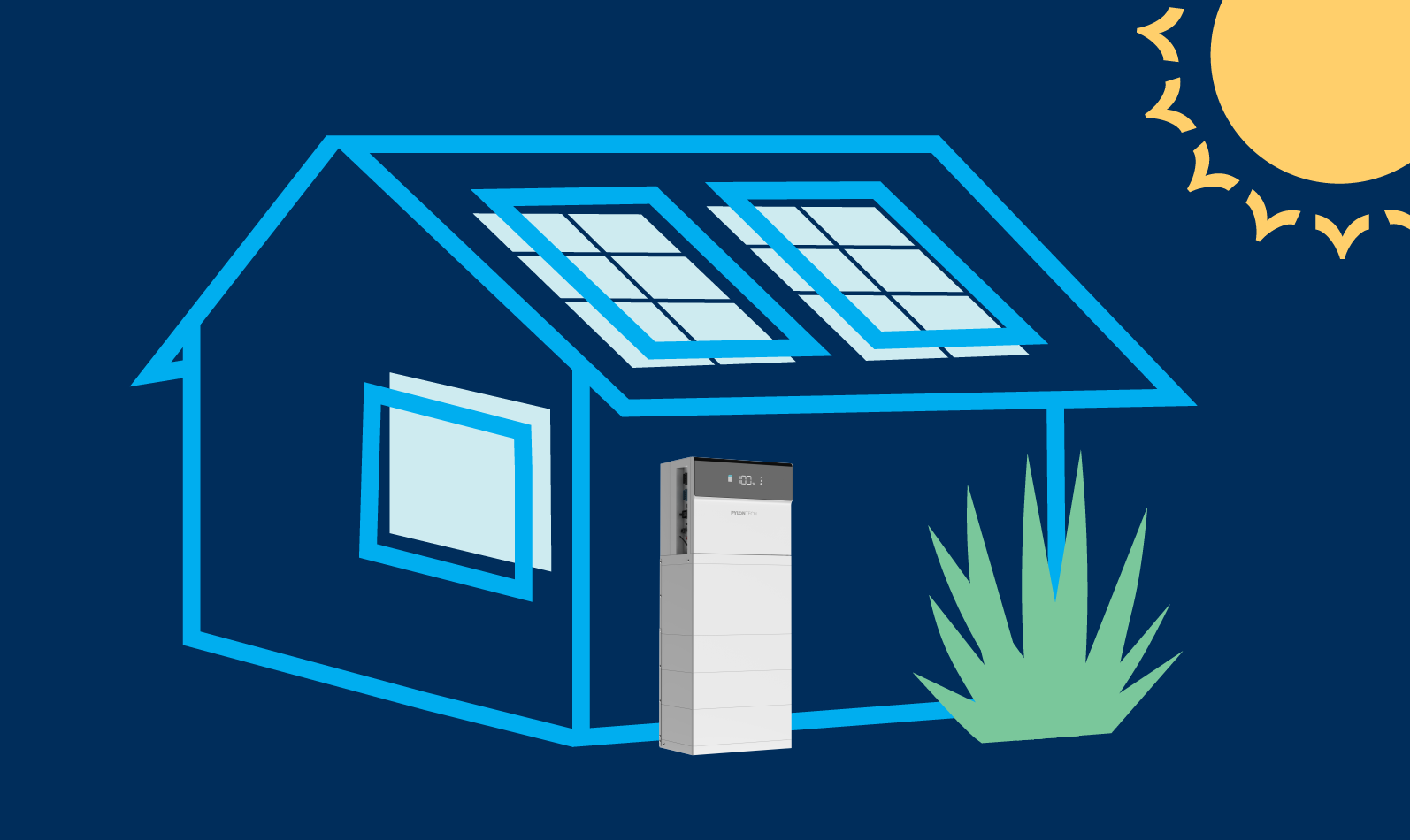
Adding a solar battery in New Zealand in 2026 provides a lot of practical benefits alongside several financial ones:
- Storing energy and avoiding ‘peak’ grid electricity costs: You can store that "free" daytime solar energy to use during expensive evening peaks, significantly reducing your reliance on the grid when it is most costly.
- Greater peace of mind in power outages: With the increase in extreme weather events in New Zealand, batteries provide critical energy security.
- Maximising profits from the grid: Smart batteries can be programmed to export stored energy to the grid precisely when these buy-back rates are highest, turning your battery into a source of credit on your power bill.
- Shorter payback period: A well-sized solar and battery system in 2026 can have a payback period of approximately 5–7 years. In terms of financing: Most major NZ banks (ANZ, ASB, Westpac) now allow you to include battery storage in their 0% or 1% interest "Green Loans," making the upfront cost easier to manage.
- Electricity price hedging: a system enables you to offset the volatility predicted from the electricity infrastructure price increases forecasted over the next five or more years.
Recently, powerful, all-in-one, modular battery energy storage systems have been popular across New Zealand. Key considerations to look for in a solar battery manufacturer are:
Warranty: Ensure a 10-year warranty, ideally covering 80% capacity retention. It is also worth ensuring that your warranty covers all elements of the product (Inverter and battery) versus separate warranties.
Modularity: Choose systems that allow you to stack and increase storage capacity later as you can afford to invest more.
Local support: Choose companies that can supply strong NZ-based technical support.
Manufacturer longevity: pick a company that is an established battery manufacturer and has high bankability ratings
- Upfront cost of solar systems
In terms of payment/cost options for your new system, there are a few. Of course you can fund your new system from your own capital or savings, but there are also Green Loans from all major NZ banks to support that upfront purchase requirement.
Major NZ banks offer specialised green loans, mostly as low-interest (often 1% p.a. or 0%) home loan top-ups up to $80,000, for eco-friendly home upgrades like solar panels, heat pumps, insulation, and EVs. Key lenders include ANZ (Good Energy), BNZ (Green Home), ASB (Better Homes), Westpac (Greater Choices), and Kiwibank (Sustainable Energy). It’s important for you as a homeowner to review your mortgage provider and understand the nuances. Within a few months, banks will likely only enable green loans for those who get their solar installed by SEANZ-accredited suppliers or solar companies who have added certifications and reassurances for customers.
- Typical savings from solar power
Solar power in New Zealand typically saves the average home over $1,000 annually on power bills. A 5kW system can reduce bills by up to ~$2,000 yearly, while larger 10kW systems may save over $4,000 annually. Typical payback periods range from 5 to 7 years, with systems lasting over 25 years.
- Conclusions
YES! Solar panels are worth it. Solar batteries are also really worth exploring if you are prone to power outages or want more flexibility and security when it comes to powering your home. As mentioned, you could pay off your solar system in as little as 5 years which is a no brainer if you are a NZ homeowner.
Finally, the expertise and heritage of solar providers matter when selecting solar for your property. Don’t be simply concerned with upfront cost, especially due to the other viable funding options available. Also make sure you review product quality, product warranties and analyse estimated savings before selecting your solar provider.
Questions to ask Potential Providers:
- How can you provide me with a reliable ROI and payback period for a solar system?
- Are you a SEANZ registered solar installer?
- What products do you use and what guarantees and warranties do you have in place?
.jpg)